In-person scientific conferences and trade shows (like ACS Spring and Fall) are one of the richest opportunities for science marketers to learn, connect, and gather insights that fuel better storytelling and smarter campaigns. They also offer a valuable chance to assess competitors and gain fresh marketing ideas. Yet it’s easy to approach them on autopilot—sticking to familiar routines, collecting swag, and sitting through sessions without truly engaging. To turn conferences into true strategic value, not just busy days, we break down the practical, people-centered tactics every science marketer should use before, during, and after the event. Read below our top tips for attending science conferences.
Arrive With a Plan: Let Your Goals Drive Everything
The most important part of conference preparation happens before you ever set foot on the show floor.
Start with your goals: Why are you attending? What does your organization need from you? What do you hope to gain?
This upfront intention-setting becomes the blueprint for your entire conference experience. It guides which sessions make your shortlist, which booths deserve time, and how you allocate your energy across learning, networking, and exploration.
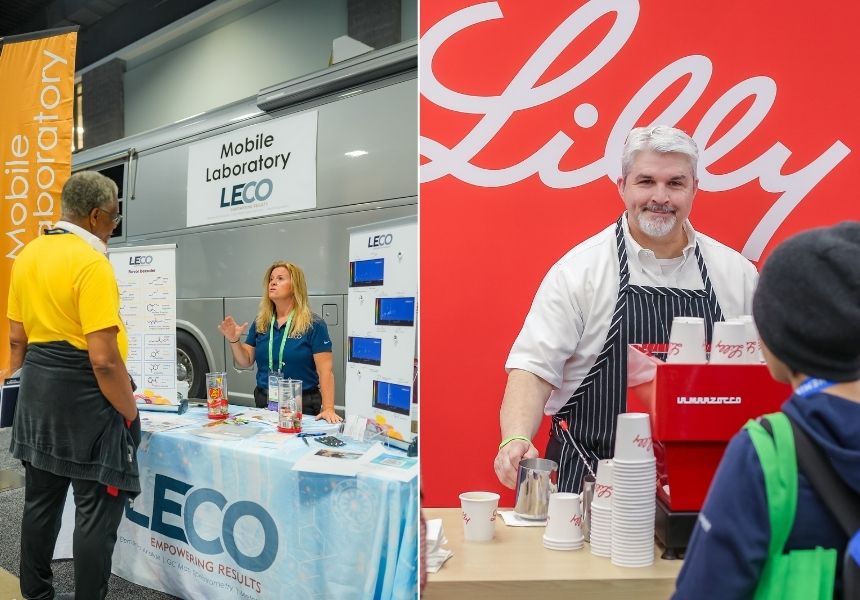
Another smart preparation strategy is to scan conference websites for content and potential connections. “I take a deep dive into the conference agenda, especially the keynote sessions and any major trends in the program,” said C&EN BrandLab Senior Editor Jordan Nutting. “For example, if I see lots of talks on PFAS or liquid chromatography technologies, I’ll plan to attend a few sessions and visit related vendors to understand why those topics are getting attention.”
You can also use LinkedIn in the lead-up to conferences to see who else might be attending, which can help set up meetups or conversations.
Equally important: connect with your team ahead of time. “Conferences are a major investment,” said Nutting. “Coordinating with colleagues helps ensure the whole team benefits.”
High‑Impact Goals for Marketers at Scientific Conferences
Goals will vary depending on your role and the organization you represent. However, here are a few suggestions to get you started:
- Learning about emerging scientific trends
- Deepening technical knowledge for upcoming projects
- Meeting vendors or exhibitors who may partner with your team
- Observing new booth strategies, activations, and engagement ideas
- Collecting informal audience insights
Pack Light But Smart
Overpacking materials is unnecessary. Instead, bring the things that truly support productive interactions:
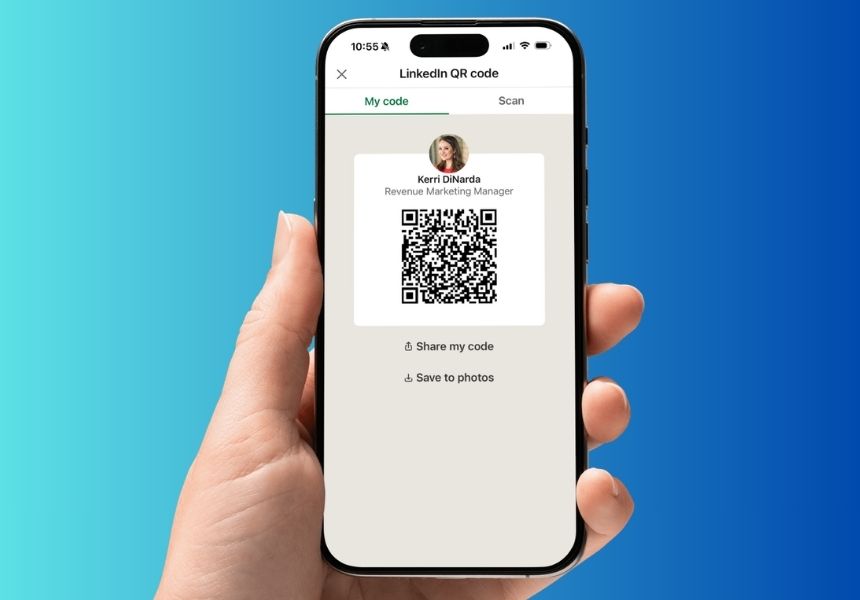
- Your LinkedIn QR code — the quickest, most reliable way to exchange information on the spot.
- A few high‑impact collateral pieces — such as a print publication or standout example of your organization’s work. (For example, Nutting often carries copies of Chemical & Engineering News to help introduce the publication to new contacts.)
- Digital access to key assets — keep links handy for one‑pagers, campaign samples, or case studies you can reference in conversation without shuffling papers.
Think of materials not as “handouts,” but as conversation enhancers that make it easier to demonstrate your work and spark deeper dialogue. And if you do need collateral, coordinate early with your team to ensure everything is ready well before you leave for the event.
Make the Exhibit Hall Work for You
The show floor can be chaotic, but it’s also where some of the richest face‑to‑face conversations take place. The key is approaching it with intention and sincere interest. Rather than focusing on what you need to say, start by building a personal connection and letting the conversation unfold naturally.
How to Navigate the Expo Floor with Confidence:
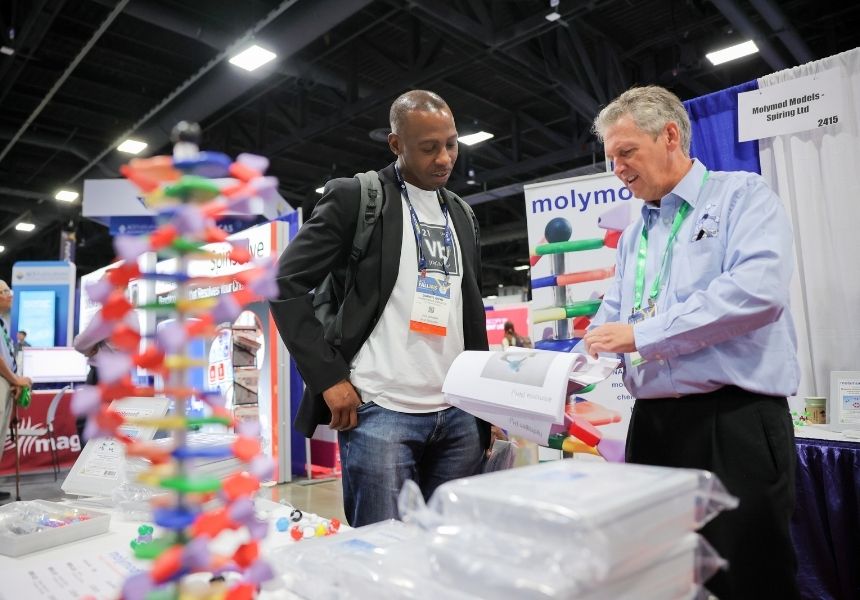
- Have a polished, concise introduction: Know how to introduce yourself and your purpose in 10–15 seconds. Exhibitors are busy, so clarity and brevity go a long way.
- Ask thoughtful questions: This keeps conversations authentic and prevents you from sounding overly sales‑driven. Exhibitors want to talk about their technology — take advantage of that.
- Respect their time: If the booth gets busy, don’t monopolize attention. Connect on LinkedIn and follow up later.
This people‑first mindset extends to networking throughout the event. Effective connections aren’t made through pitches; they’re made through genuine curiosity. Ask about challenges they’re seeing, projects they’re working on, or even their favorite session so far.
When in doubt, invite the other person to talk about what excites them. Those moments often lead to surprising insights and future partnership opportunities.
“When you’re genuinely interested, the interaction feels more authentic and less like a pitch,” said Nutting. “It makes the conversation two‑sided rather than transactional.”
Capture What You Learn in Real Time
In the flurry of sessions, demos, and hallway conversations, details can disappear quickly. Capturing insights as they happen is essential. A simple notebook works surprisingly well. Writing things down helps crystallize ideas, reveal patterns, and set you up for deeper reflection once the event is over.
Use whatever method fits your style, but make sure you capture:
- Who you spoke with
- What stood out
- Topics to research
- Follow-up actions
- Emerging themes
If you’re using LinkedIn (and you absolutely should), connect with new contacts immediately while conversations are fresh. It’s an easy way to keep the relationship moving and preserve context that might otherwise get lost in the whirlwind of the event.
Avoid the Trap of Staying in Your Lane
One of the easiest mistakes to make at a conference is approaching it too narrowly—spending all your time at your booth, sticking strictly to your discipline, or attending only the sessions that feel familiar. As Nutting notes, “Follow your goals, but stay open. You never know what useful insight or connection you might gain by stepping into something unexpected.”
Often, the most valuable moments come from venturing outside your usual path:
- A talk outside your field
- A technology you haven’t explored before
- A spontaneous conversation over lunch
- A booth that wasn’t on your radar
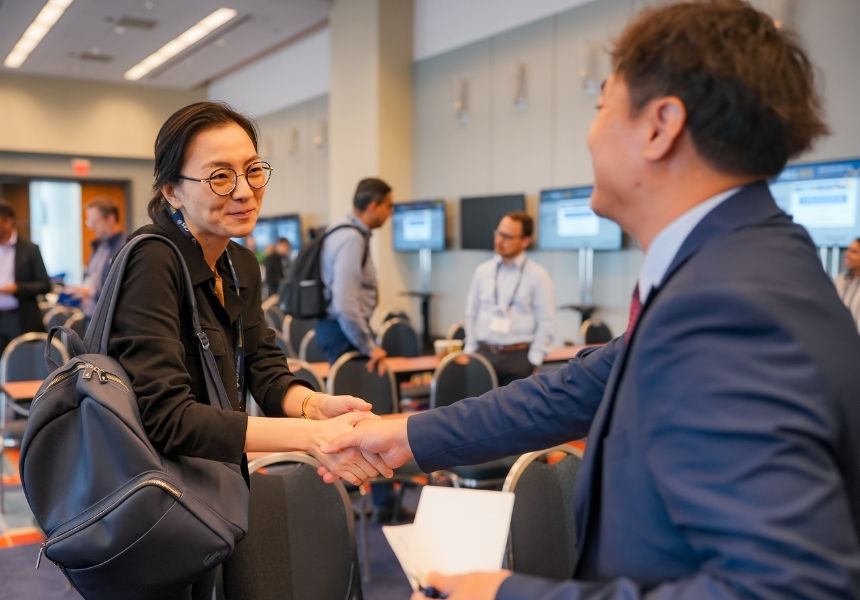
These serendipitous experiences can spark new ideas, offer fresh perspectives, and deepen your understanding of both your audience and the broader industry.
Informal networking is one of the best ways to create these unexpected connections. “Some of my best conversations have happened in food lines or at shared tables,” Nutting said. “You meet people you might not otherwise approach, and those interactions can be incredibly enriching.”
Staying flexible, curious, and willing to engage outside your comfort zone helps you get far more out of a conference than what’s printed on the agenda.
Turn Post-Conference Momentum Into Action
Once the conference wraps, move quickly to preserve the insights and connections you’ve gained. A little immediate action can significantly amplify the value of your time onsite.
- Share your insights with your team. Summaries, trend notes, and key takeaways ensure your colleagues benefit from what you observed. Highlight emerging themes, attendee challenges, new ideas, and anything that could inform upcoming projects or strategy.
- Follow up with new connections right away. Reach out within a few days, while conversations are still fresh. A quick LinkedIn message is often all it takes to keep a relationship alive and set the stage for future collaboration.
- Repurpose your insights into content. Conferences are rich with stories, data points, and observations that translate beautifully into content marketing or internal assets. Even small moments can spark compelling content later.
Consider turning your science conference takeaways into:
- Blogs about major topics or trends you observed
- Social media posts—short or long form
- Photo or videos recaps
- Informal personas based on attendee conversations
- Internal strategy materials or idea starters
These pieces help extend the impact of your conference experience long after you’ve returned home, and ensure the event continues to drive value for your team and organization.
Measuring Success Beyond Lead Counts
For some teams, lead counts or badge scans are the most straightforward metrics, and they’re certainly important when evaluating marketing outcomes. But for many science marketers, success also includes a meaningful qualitative dimension.
Consider whether the conference helped you:
- Build new relationships
- Deepen your expertise
- Gather insights that will shape future projects
- Spark new ideas, stories, or opportunities
Not every meaningful outcome can be captured with a number, and often these qualitative gains drive the most significant long‑term impact.