One of the most exciting aspects of today’s multimedia landscape is the range of creative opportunities available to capture attention and spark engagement. People respond to webinars that feel intentional, interactive, and human, not formulaic. By prioritizing connection through thoughtful content, visuals, and delivery, organizations can transform webinars into compelling experiences that keep viewers engaged and invested from start to finish.
People respond to webinars that feel intentional, interactive, and human, not formulaic.
The good news? That doesn’t always mean doing something more complicated. In many cases, it means being more intentional about how the experience looks, feels, and invites people in.
Webinars have evolved into engaging, multimedia experiences that emphasize design, interaction, and human connection. After attending ON24’s webinar “7 Ways to Avoid a Boring Webinar,” hosted by Mark Bornstein, a webinar expert and self-proclaimed “Chief Webinerd,” I was inspired to share how marketers can move beyond static presentations to create more dynamic, audience-centric programs. Whether you’re planning a lead generation initiative, an executive event, or a branded thought leadership series, here are key tips to help you build more engaging and effective webinars.
Related Post: What High-Performing Science Webinars Have in Common (and Why Most Miss the Mark)
1. Give People Something to Look At
First impressions matter, and in a webinar, visuals often make that first impression before anyone has said a word.
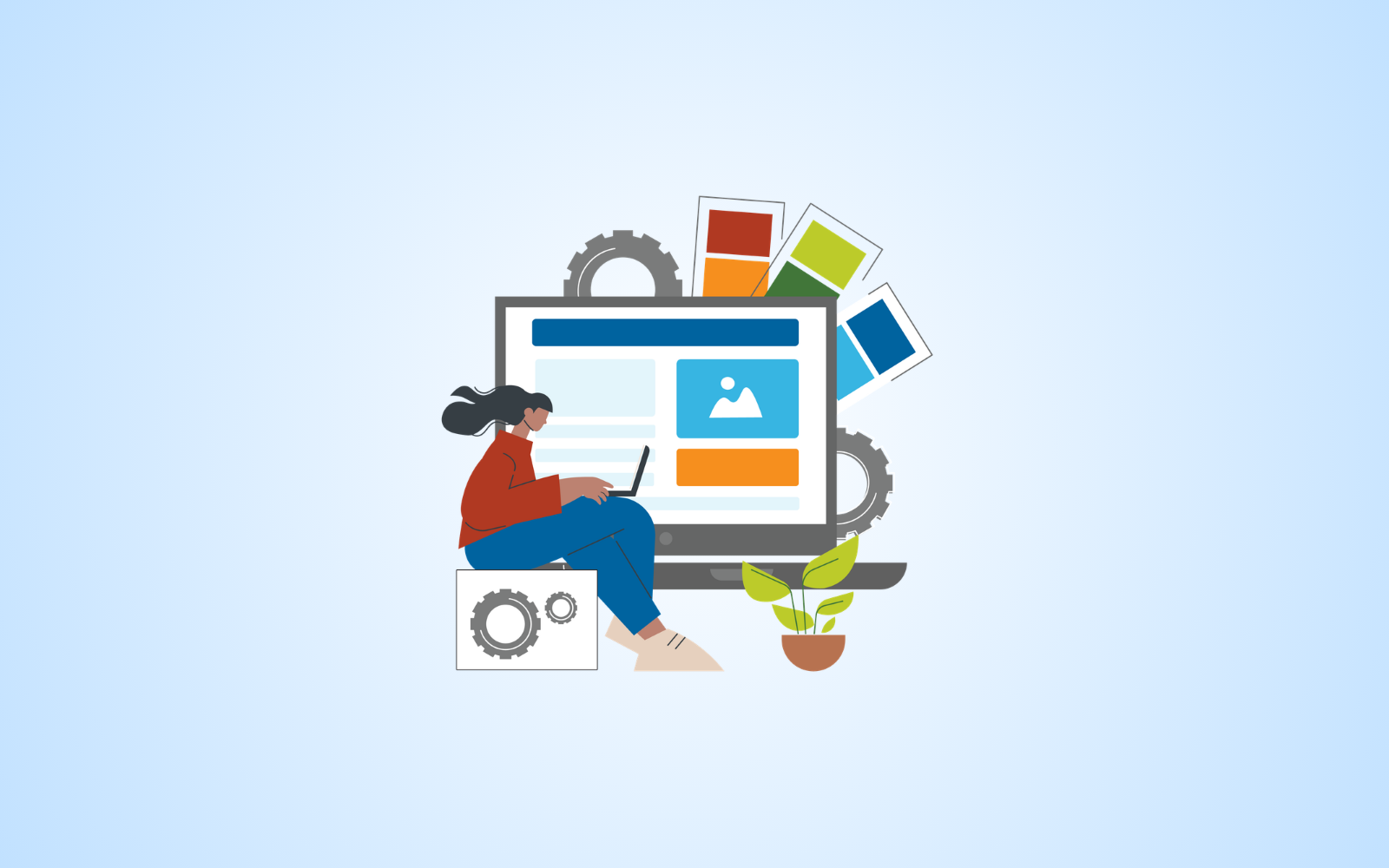
That means the design of your webinar should do more than simply “support” the content. It should help set the tone, reinforce your brand, and create a sense of professionalism from the moment attendees log in.
High-resolution imagery, polished graphics, and visually interesting layouts can all help make a webinar feel more like an experience and less like a presentation. Branded colors, design elements, and on-screen treatments should feel consistent with the rest of your marketing ecosystem, so the event feels like a natural extension of your website, your campaigns, and your brand identity.
And this doesn’t have to mean clutter. A few well-placed graphical elements, thoughtful boxes or overlays, and more dramatic visuals can go a long way toward creating impact.
The goal is simple: before the audience starts processing your message, they should already feel like they’re in the right place.
2. Put On a Show
The most engaging webinars don’t feel overly scripted. They feel human.
That doesn’t mean presenters should be unprepared. It means they should sound like real people talking to other real people, not like they’re reading every word off a teleprompter. A conversational tone makes it easier for audiences to connect with speakers, stay engaged, and trust what they’re hearing.
There’s a reason the best webinar moments often come from spontaneous reactions, unscripted examples, or presenters building on one another’s ideas in real time. That kind of chemistry is hard to fake — and audiences notice the difference.
So if you want your webinar to stand out, think of it less like a lecture and more like a show. Give your presenters room to bring their personalities into the session. Let them react, riff, and speak naturally. The polish should come from the planning and production, not from sounding robotic.
If you want your webinar to stand out, think of it less like a lecture and more like a show.
3. Match the Tone to the Audience
Not every webinar should sound the same, because not every audience shows up with the same expectations.
Different industries, seniority levels, and job functions all come with their own language, priorities, and preferences. A webinar for researchers may need a very different tone than a webinar for senior commercial leaders. A program aimed at early-career professionals may need a different format than one built for executives.
For example, senior leaders are usually looking for something that feels exclusive, highly relevant, and worth carving out time from a busy schedule to attend. That often means programming that feels more curated and elevated — events where peers are speaking, where the topic tightly aligns to their priorities, and where the format offers more than a generic presentation.
That could look like an executive-only discussion with peer-level speakers. It could mean a small strategy session paired with networking. It could even take the form of a more experiential event, like a curated conversation tied to a wine tasting or another thoughtful touchpoint.
The takeaway is that webinar strategy should start with audience fit. The more tailored the tone and format are to the people you want to reach, the more likely the program is to resonate.
4. Bring the Audience Into the Conversation
Audiences don’t want to sit back and passively watch. They want to participate.
That means engagement tools shouldn’t be saved for the last two minutes of a session. Polls, Q&A, chat prompts, and live audience questions can all work harder when they’re woven throughout the webinar, not tacked on at the end.

This shift is one reason more marketers are experimenting with more conversational formats. Panel discussions, hosted interviews, and instructor-led sessions can often feel more inclusive than a traditional deck-driven presentation because they naturally create space for interaction.
We’re also seeing growing interest in smaller forum-style events where cameras are on, and the audience is more visibly part of the experience. These programs may not draw the same volume as a large-scale webinar, but they often create stronger engagement because people feel like they’re in the room, not just watching from the sidelines.
Even simple changes can make a difference. A presentation can lead into breakout rooms. A speaker can pause for real-time input before moving on. A host can continuously pull the audience into the discussion instead of treating participation like an afterthought.
When people feel included, they’re more likely to stay engaged and remember the experience afterward.
5. Think Beyond a One-Time Event
One of the smartest ways to build webinar momentum is to stop thinking in terms of one-offs.
More brands are investing in recurring or serialized programs with a consistent host, a repeatable format, and a recognizable identity. That might look like a monthly interview series with customers, a quarterly expert roundtable, or an ongoing educational program tied to a specific audience segment.
Consistency builds familiarity, and familiarity builds loyalty.
When audiences know what kind of value to expect — and who they’ll hear it from — they’re more likely to come back. Over time, that kind of programming can do more than generate attendance — it can help establish your brand as a trusted voice in the space.
The good news is that you don’t need a huge content engine to get started. Even a single serialized program can create momentum if the topic is focused, the host is strong, and the audience feels like the content was built for them.
6. Integrate Video Wherever You Can
Showing is often more effective than telling, and video can help webinars feel more dynamic from beginning to end.
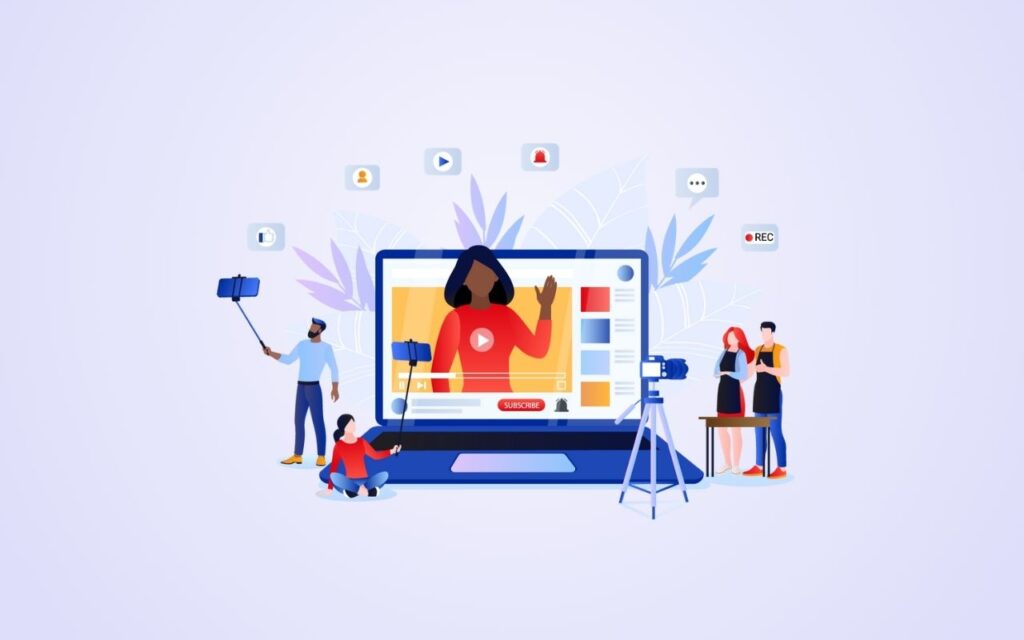
That could mean an opening video that sets the stage, short transition clips between sections, or presenter handoff videos that keep the energy moving. It could also mean a product demo, a social media clip, or a live screenshare that makes the content feel more immediate and real.
Video can also add pacing to a webinar. Instead of relying on a long sequence of slides, you can break things up with interstitial moments that keep the audience visually engaged and mentally refreshed.
And importantly, video doesn’t have to be overproduced to be effective. A clean promo clip, a thoughtful customer soundbite, or a simple behind-the-scenes visual can all create variety and make the session feel more alive.
If you want to increase energy, reduce monotony, and create a more multimedia-driven experience, video is one of the easiest ways to do it.
7. Add an Element of Play
One of the best ways to make content more engaging is to make it a little more fun.
Gamification can transform a dry topic into something memorable — and it gives attendees another reason to actively participate.
That could mean using the Q&A box for quick trivia moments. It could mean turning a data reveal into a “guess the result” poll before showing the answer. Or it could mean fully embracing a game-show format, like Jeopardy or a live quiz competition, especially for training, certification, or educational content.
These formats work because they create momentum and make people curious. They give attendees a reason to keep paying attention because they’re not just receiving information — they’re interacting with it.
Themed webinars like a seasonal concept, a creative visual motif, or a branded event identity can make a session feel distinct without losing authenticity. The key is not to force it. The creative element should support the experience, not distract from it.
Final Thought: A Webinar Can Be Almost Anything
The biggest shift in webinar strategy may be this: a webinar no longer has to look one specific way.
It can be polished or playful. It can be intimate or broad-reaching. It can be highly produced or intentionally simple. What matters most is that it feels authentic to your brand and relevant to your audience.
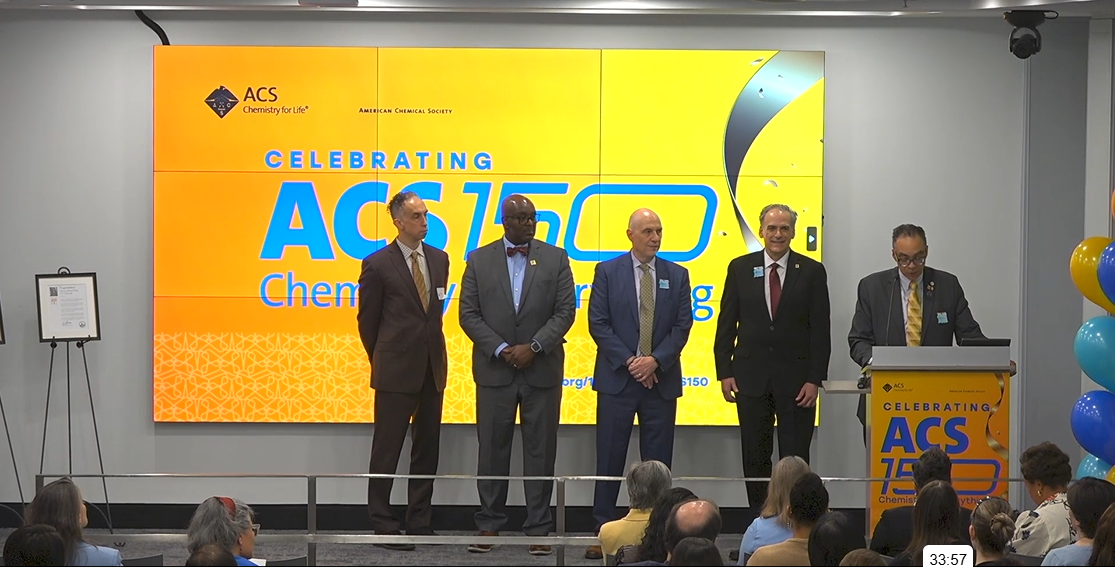
Because in the end, the most successful webinars aren’t necessarily the ones with the most slides or the fanciest platform features. They’re the ones that understand how to connect with people.
That means creating something visual. Something conversational. Something participatory. Something that feels less like a broadcast and more like a real experience.
And when you do that, your webinar becomes more than a marketing tactic. It becomes a way to build trust, create community, and give your audience a reason to come back.
Partner with us for Your Next Webinar
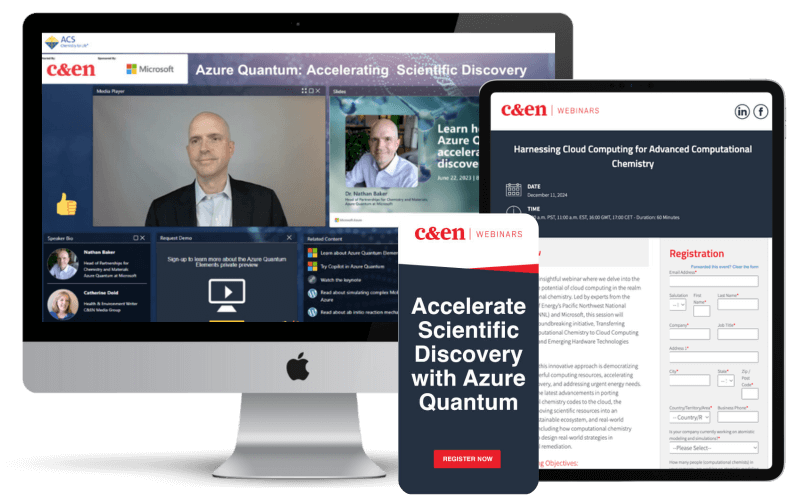
If you’re looking to put these ideas into practice, our ACS Media Group webinar team offers strategic programs designed to differentiate your campaigns through innovative formats and audience engagement techniques — helping you reach the right audience and showcase your product at the right time.
Learn More