Science webinars are one of the most effective lead-generation tools for marketers — when done right. They’re a go-to product for driving audience engagement, brand visibility, and high-quality leads. But in 2026, it’s easier than ever for webinars to fall flat. The reasons are plenty: Competition is high, attention spans are shrinking, inboxes are crowded, and audiences are harder to engage than ever.
But according to ACS Media Group lead-generation experts Quyen Pham and Anna Barthelme, the issue isn’t the format itself. Webinars, as a whole, aren’t failing. Webinars that are irrelevant to audiences, though, are another story. With hundreds of science webinars produced for leading brands, this team has seen what top performers share and where many fall short.
Relevance As the Real Driver of Performance for Science Webinars
If there’s one consistent thread across high-performing webinars, it’s this: They deliver something the audience genuinely wants.

We’ve noticed some of our top-performing webinars have been an hour, or even over an hour. It really does come back to topic relevance to keep the audience engaged.”
– Anna Barthelme, ACS Lead Generation Manager
“The webinars we see perform well are the topics that resonate with attendees,” explained Quyen Pham, Demand Generation and Revenue Marketing Manager at ACS. “These tend to focus on new and emerging topics — like AI, machine learning, or faster drug discovery processes — or include something attendees can take away that they didn’t know before.”

While most clients come to the table with a webinar topic in mind, Pham said her team regularly consults subject matter experts at C&EN BrandLab and leverages C&EN reader data to help shape the program. These insights are used to identify the strongest topic and narrative flow for both the brand and the audience.
When relevance is missing, performance can drop quickly. ACS Lead Generation Manager Anna Barthelme noted that it typically stems from topics that are too niche or focus on internal business priorities, like new product launches or organizational updates.
That insight challenges a common assumption. Many marketers were trying to solve for format by developing shorter sessions and tighter runtimes. But the data tells a different story.
“We’ve noticed some of our top-performing webinars have been an hour, or even over an hour,” Barthelme said. “It really does come back to topic relevance to keep the audience engaged.”
What mattered just as much as the topic itself was how it was packaged. Webinar titles that spelled out clear outcomes consistently outperformed vague or overly technical ones.
“You only have a moment to catch people,” Barthelme said. “So making sure you’re using those eye-catching keywords is very, very helpful. If the title is filled with acronyms or just fluff, it won’t hit the mark.”
Takeaways for Marketers
- Prioritize topics that discuss real, current problems.
- Use titles that highlight outcomes (“what you’ll learn”) over abstract concepts.
- Avoid acronyms and jargon that impede comprehension and alienate broader audiences.
- Don’t default to shortening content; focus on making it engaging instead.
Engagement, Not Attendance, Defines Success
For many teams, success still means one thing: registrations.
Pham and Barthelme have a different philosophy, challenging marketers to think beyond this single conversion point and focus instead on what happens during and after the webinar. How engaged are attendees, really?

This means assessing:
- The number of questions asked during the webinar
- The number of attendees who asked those questions
- The number of responses generated from in-webinar polls
- How long each attendee stayed once the webinar started
- Follow-up questions at the end of the webinar
- Follow-up actions after the webinar concludes, like downloading resources or returning to the on-demand version of the webinar
This shift in thinking has changed how success is measured across campaigns. While some clients still prioritize volume, others are far more focused on quality.
“We have clients that are very happy with lower lead numbers as long as they’re higher quality,” Barthelme noted.
Takeaways for Marketers
- Measure audience engagement, not just registrations.
- Track behaviors like questions, downloads, and time-on-session.
- Align success metrics with business goals (lead quality versus volume).
- Design webinars as part of a broader customer journey.
The Role of Speakers and Why “Salesy” Doesn’t Work
Content planning may be the top priority for a successful webinar strategy, but speaker selection should not be overlooked. Speakers are the delivery mechanism for the information being presented, and they can significantly impact performance.
Both Pham and Barthelme noted that credible, engaging speakers significantly boost performance.
This includes:
- Recognized industry experts
- Senior company leaders
- Presenters sharing real-world use cases
What not to do or say during the webinar is equally important. Overly promotional or product-heavy webinars tend to quickly deter audiences. As Barthelme noted, if a session feels like a sales pitch, engagement drops. Audiences are looking for insight, not advertising messaging or product demos.
Takeaways for Marketers
- Choose speakers with credibility and real-world experience.
- Incorporate case studies and collaborative perspectives.
- Avoid product-heavy presentations and overly “salesy” messaging.
- Focus on delivering value first.
Building a Promotional System
No matter how strong the content is, a webinar will not succeed without promotion. The best webinar strategies take a holistic view, identifying opportunities to promote the live webinar as well as repurposing content for post-webinar engagement.

We never think about webinars as a one-off content asset. There are so many ways to repurpose the content.
– Quyen Pham, ACS Demand Generation and Revenue Marketing Manager
“We use a three- to four-week promotional schedule, layering email — our top registration driver — with banner ads, newsletters, and targeted placements to build awareness and momentum over time,” Pham noted. “We monitor performance closely and make messaging changes if we’re not hitting early registration targets.”
Segmentation based on behavior, keywords, and past engagement plays a critical role in reaching the right audience. Expanding reach to new audiences while avoiding oversaturation is key to performance, Barthelme added.
While registration numbers and attendee conversion rates matter, what sets high-performing webinars apart is what happens after they end. “We never think about webinars as a one-off content asset,” Pham explained. “There are so many ways to repurpose the content.”
That could mean using the information to inform white papers, executive summaries, short-form video clips, and nurture experiences designed to re-engage audiences who missed the live session or wanted to go deeper. And with webinar transcripts and AI tools, that process has become faster and more scalable.
Takeaways for Marketers
- Experiment with a multichannel promotion strategy to drive registrations.
- Leverage behavioral and keyword targeting to reach the right audience.
- Monitor performance early and be ready to pivot messaging if needed.
- Before the webinar, have a post-webinar strategy to extend the life of the content.
A Case Study in Getting It Right
When brands get these elements right, the impact can be significant.
Pham and Barthelme shared an example of a recent high-performing webinar that put these best practices into action and exceeded expectations. Centered on a trending topic of digital chemistry strategy, the webinar generated more than 1,200 leads and drove a 32% attendee conversion rate.
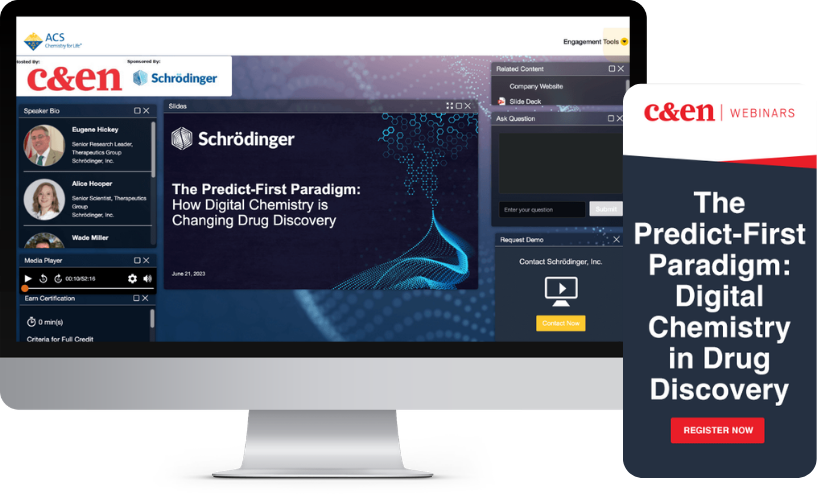
They attributed its success to:
- A relevant, high-interest topic
- Strategic promotion and audience targeting
- Full-service support — from content development to technical execution
Most importantly, the webinar delivered engaged leads that fit the client’s target audience: medicinal, synthetic, and computational chemists aligned with the client’s goals.
A Mindset Shift: Rethinking Your Strategy
Webinars aren’t broken, but some strategies associated with them are. High-performing webinars succeed because they respect the audience, Pham and Barthelme emphasized. They deliver relevant, engaging content and extend value beyond a single event.
“It always comes back to knowing your audience,” Barthelme said. “Try to imagine a single audience member when you’re creating the webinar. And before you do anything else, ask yourself: ‘What’s in it for them?’ ”
Host Your Next Webinar with ACS Media Group
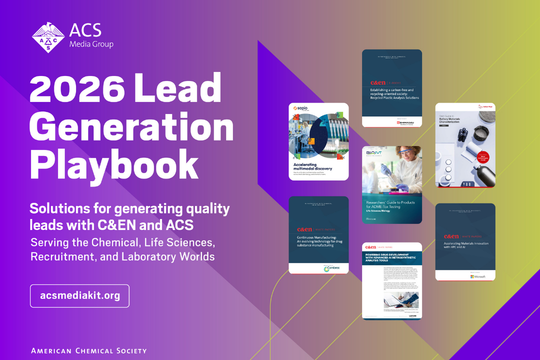
Looking for help executing your next webinar campaign? Contact us at acsmediagroup@acs.org or download our Lead Generation Playbook for details on webinars, lead generation products, pricing, and more.
Download Lead Generation Playbook